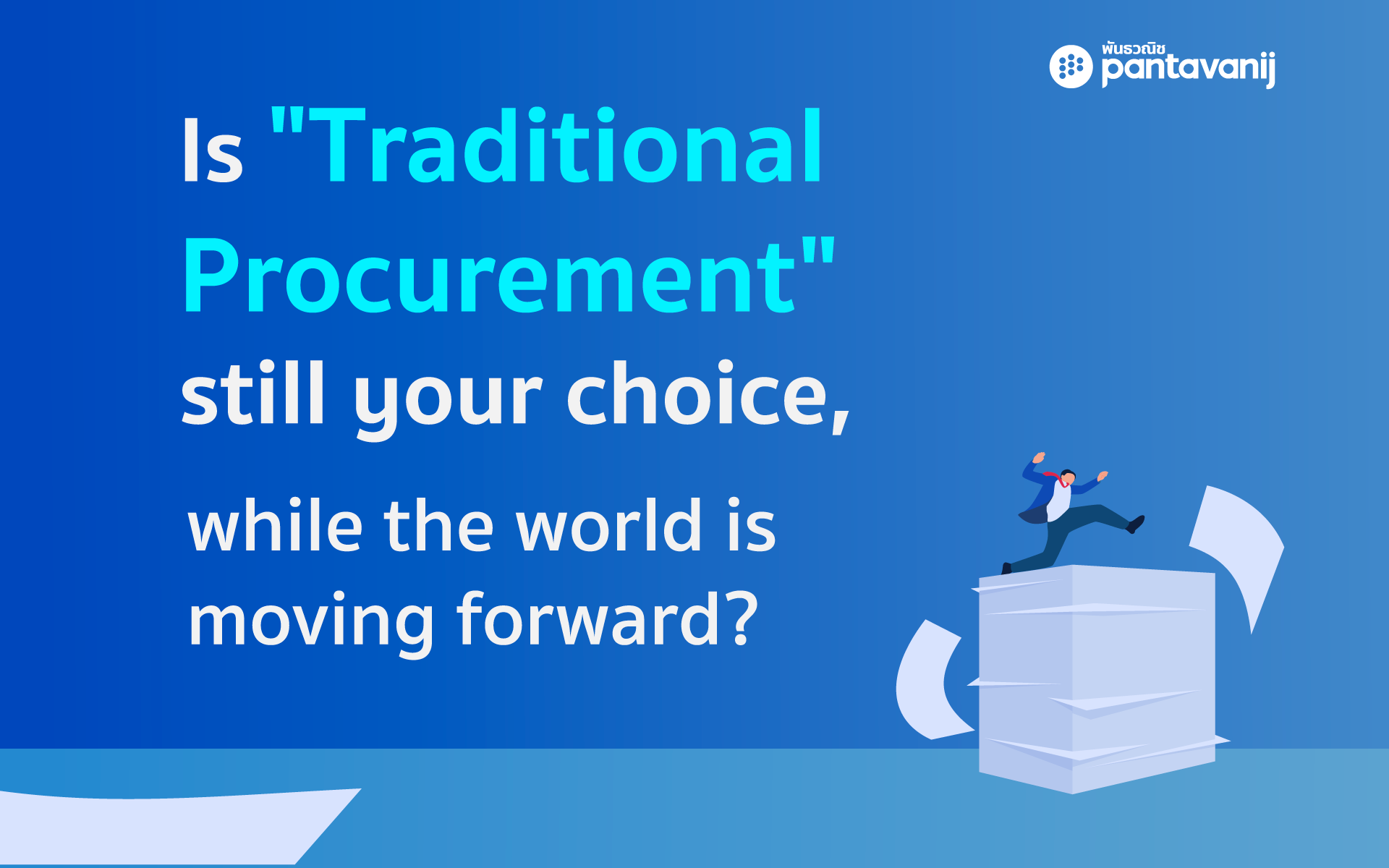
Are You Still Using Traditional Procurement Methods?
In today’s highly competitive business environment, where costs fluctuate and supply chains grow increasingly complex, procurement systems play a critical role in organizational success.
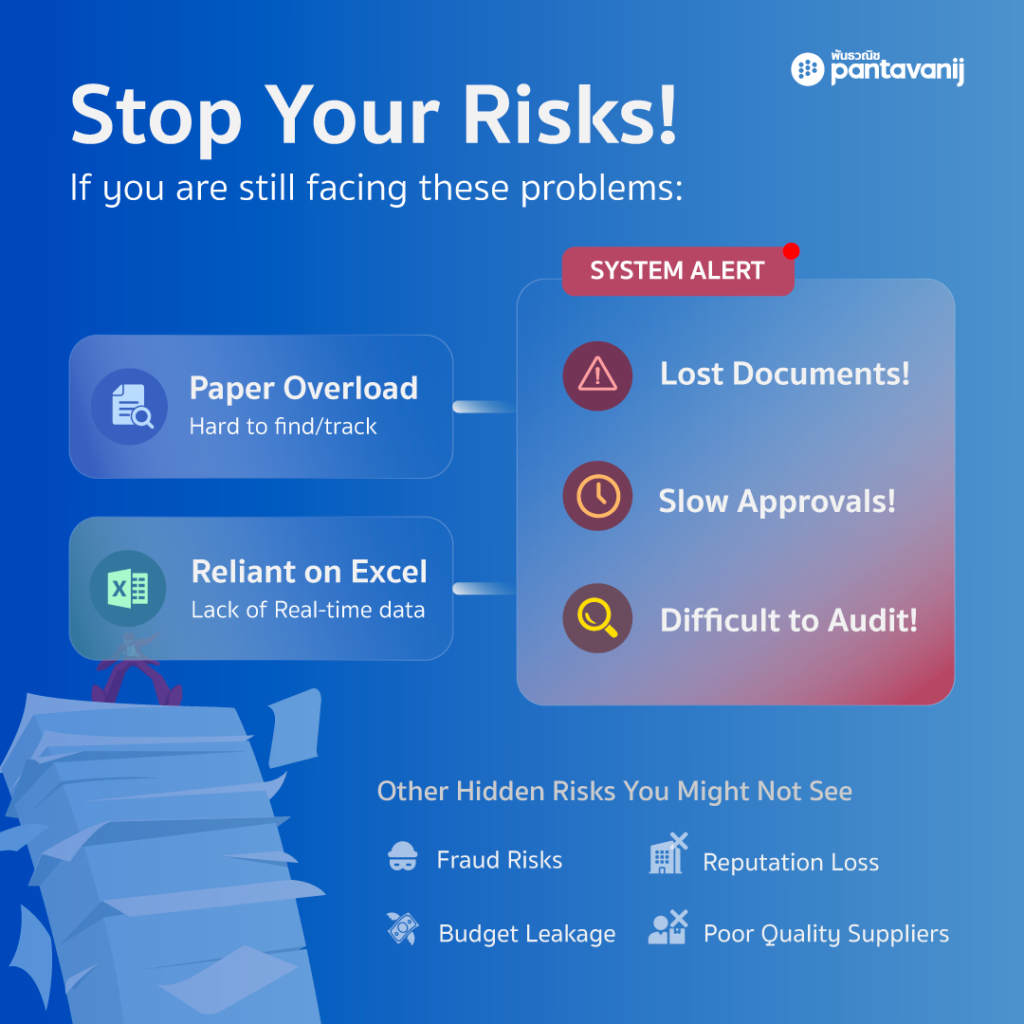
However, many organizations still rely on traditional procurement methods based on spreadsheets, paperwork, and emails, leading to hidden procurement challenges.
Common Procurement Pain Points in Traditional Systems
Traditional procurement methods often result in:
- Fragmented documentation
- Slow approval processes
- Limited audit trails
- Lack of analytical insights
- Poor real-time budget control
- Transparency risks
These issues gradually evolve into major procurement system problems.
Hidden Procurement Risks
Organizations using outdated systems may face risks such as:
- Poor supplier selection
- Budget leakage
- Compliance violations
- Overdependence on individuals
- Reputational damage
These risks may not appear immediately but can seriously impact long-term performance.
Warning Signs of Traditional Procurement
Ask yourself:
✔ Do you rely mainly on Excel and email?
✔ Are approvals slow?
✔ Is procurement data fragmented?
✔ Do executives lack real-time insights?
If yes, your organization may still be operating under traditional models.
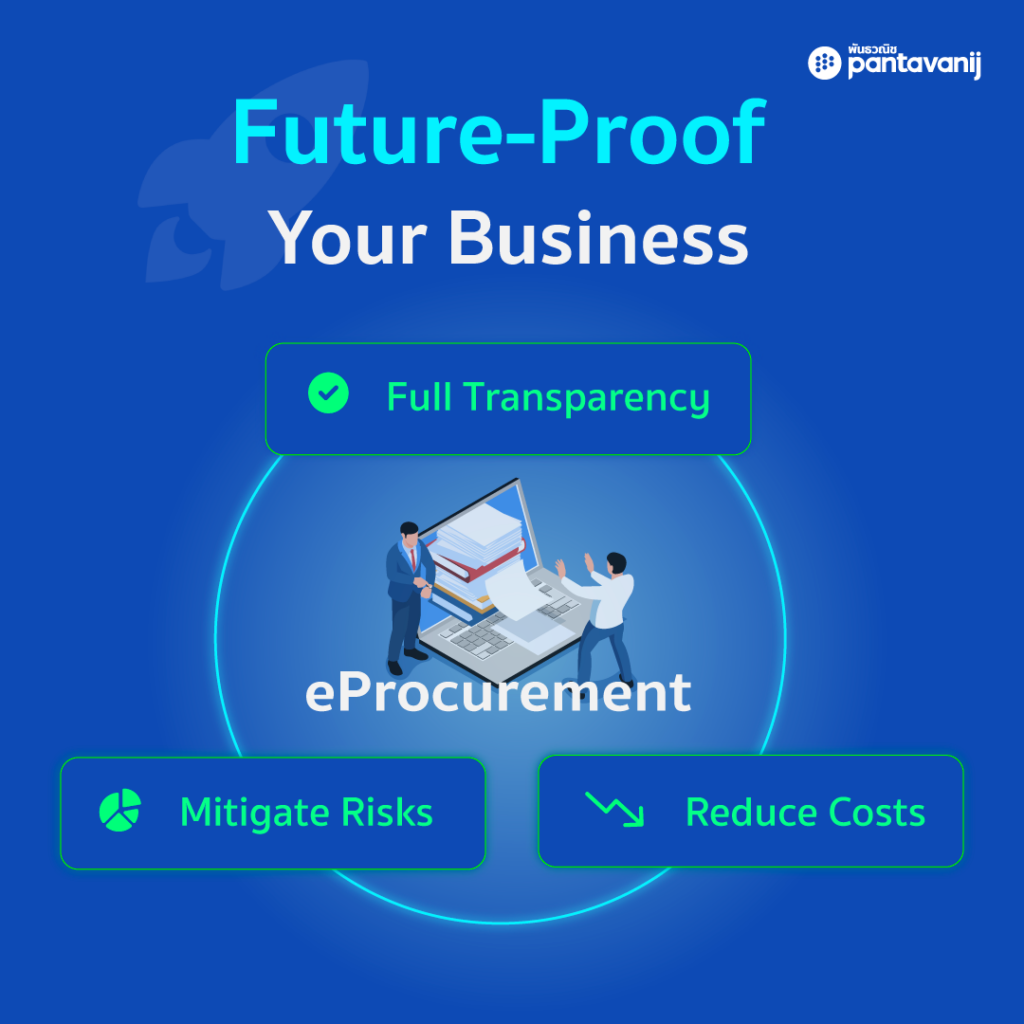
The Modern Solution: eProcurement Systems
Leading organizations adopt eProcurement systems to:
- Centralize procurement processes
- Enhance transparency
- Reduce operational costs
- Enable data-driven decisions
- Strengthen risk management
eProcurement is not just a tool — it is a strategic foundation.
From Challenges to Competitive Advantage
Traditional procurement may no longer be sufficient.
Modern organizations require intelligent, connected, and transparent systems to achieve sustainable growth.
Investing in digital procurement is investing in the future.